Why Communication Failures Destroy Auto Shops
Discover how daily huddles, communication systems, and accountability structures improve efficiency, culture, and profitability.
Introduction
Most shop owners believe their biggest problems are staffing, profitability, workflow, or productivity. But the truth? Most operational breakdowns begin with communication failure.
Missed expectations. Disconnected teams. Lack of accountability. No operational visibility. And over time, those communication failures become production delays and lost profitability.
Section 1: Daily Huddles Create Operational Alignment

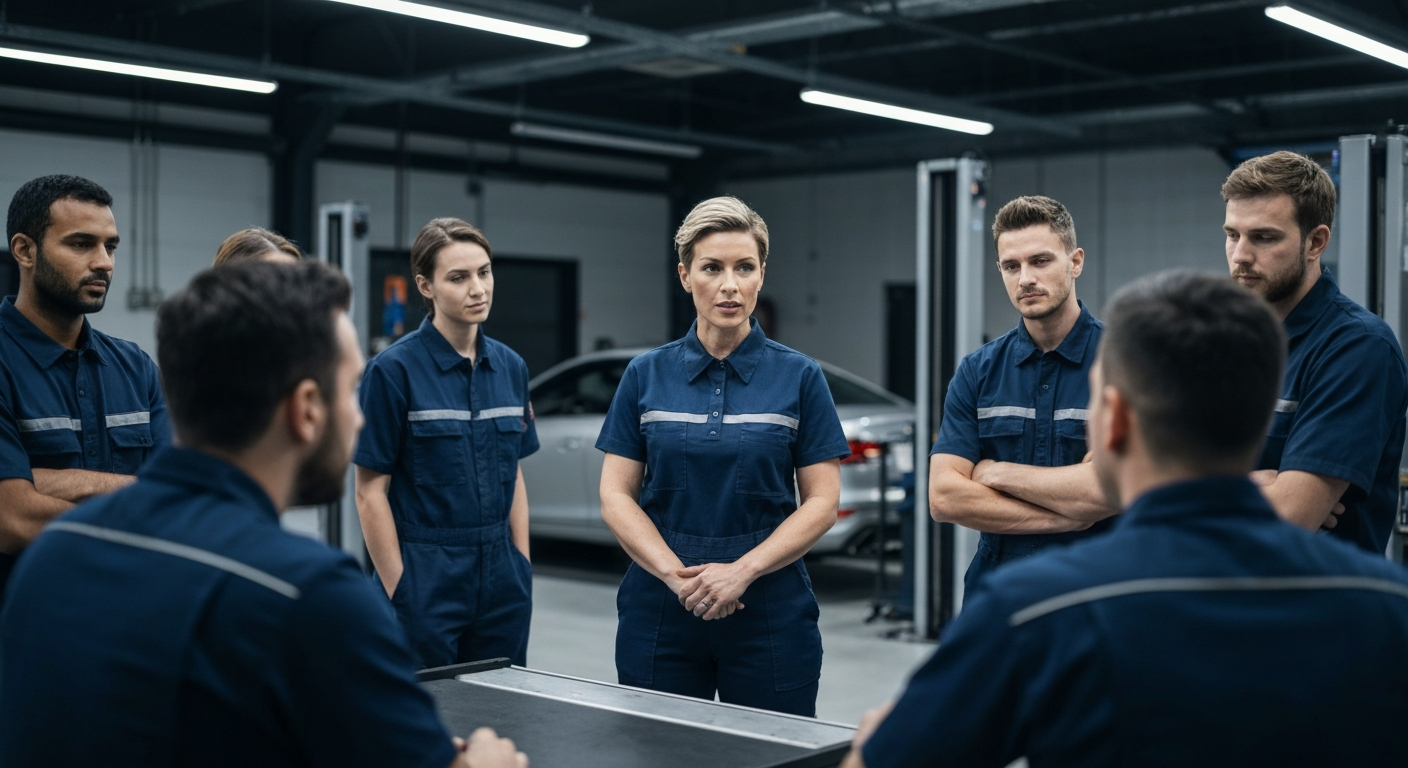
Every morning should begin with clarity. A daily huddle is not a random conversation. It is a structured operational alignment meeting involving service advisors, shop foremen, lead technicians, and management.
The purpose is simple: Get everyone aligned before the day begins. Topics include carryover vehicles, production priorities, and workflow bottlenecks.
Section 2: Most Shop Chaos Starts With Unclear Expectations
Many shops assume communication is happening. But assumptions are dangerous. When expectations are unclear, priorities shift constantly, technicians become frustrated, advisors overpromise, and customers lose confidence.
Section 3: Weekly Management Accountability Meetings
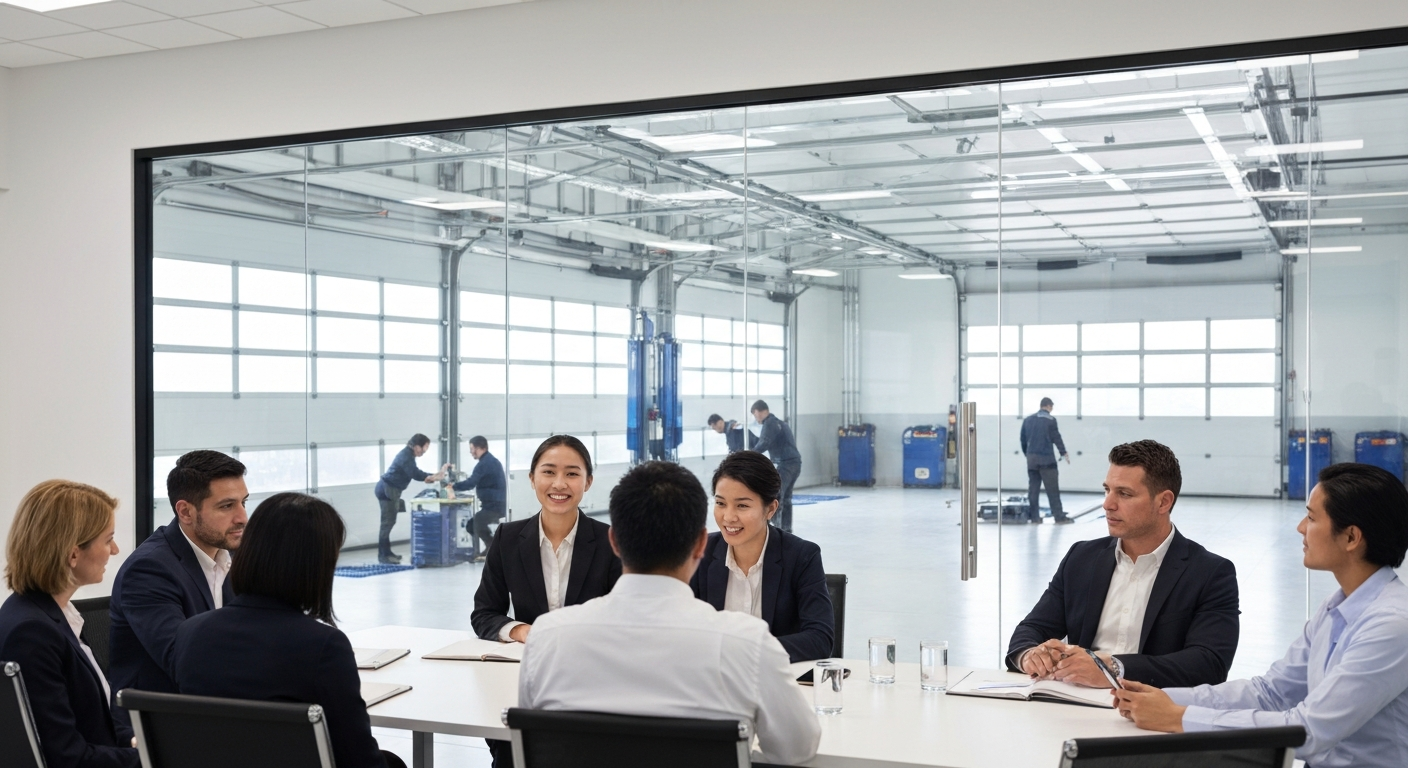
The daily huddle manages operational flow. The weekly management accountability meeting manages operational direction. This is one of the most important leadership meetings an automotive business can have.
The leadership team oversees three critical operational categories: Sales, Operations, and Finance. Following the Theory of Constraints, the goal is identifying where that constraint exists before it damages operational flow.
Section 4: Communication Creates Accountability
If goals are not clearly communicated, nobody owns them, measures them, or improves them. Daily communication systems create clarity, ownership, and measurable expectations.
Section 5: Visibility Changes Performance
Teams perform better when they can see shop goals, productivity targets, and workflow priorities. Visibility reduces confusion—one of the biggest productivity killers in automotive operations.
Section 6: Daily Huddles Improve Culture
Strong communication systems reduce frustration, blame-shifting, and finger-pointing. Culture improves when people understand the mission, their role, and the expectations.
Section 7: Communication Systems Must Be Structured
Casual communication creates inconsistent operations. Elite shops create structured rhythms including morning huddles, production reviews, and KPI visibility.
Section 8: Technology Creates Real-Time Visibility
Modern operations require connected communication. With Genesis Four and FORCARA systems, technicians receive updates in real time, and advisors see workflow progress instantly on tablets and mobile devices.
Section 9: Daily Huddles Improve Profitability
Communication problems are expensive. Poor alignment creates delayed vehicles, missed upsells, and technician downtime. Daily operational communication improves throughput and customer experience.
Section 10: Leadership Must Be Operationally Visible
Strong operations require leadership visibility. This doesn't mean micromanagement; it means clear communication and consistent expectations.
Section 11: This Is How Elite Shops Scale
As shops grow, communication complexity increases. Daily communication systems create scalability and operational rhythm, allowing elite operations to scale without losing control.
Implement Daily Huddles & Communication Systems
Q&A Section
Q: What should happen during a daily huddle?
Production priorities, carryover vehicles, staffing concerns, workflow bottlenecks, and customer communication issues should all be reviewed.
Q: What is the purpose of the weekly management accountability meeting?
To review performance metrics, compare goals vs results, identify operational concerns, and establish next-step accountability.
Q: How long should a daily huddle last?
Typically 10–15 minutes. The goal is clarity and alignment—not lengthy meetings.